
Every footstep, every dropped utensil, every cart rolled across your floor adds a little more stress. Floors put up with a lot. At Feature Flooring, we see what happens when that stress goes unchecked. While some flooring damage is obvious, others—like microcracks—are quiet. Until they’re not. If you manage a commercial kitchen or industrial space, catching those cracks early can spare you from shut-downs, safety issues, or failed inspections.
The Silent Creep of Damage
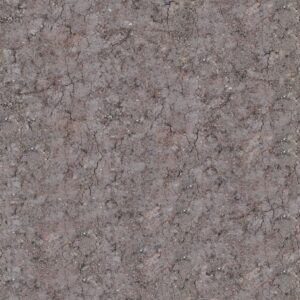
Microcracks don’t make a dramatic entrance. They form below the surface, usually from temperature swings, impact, or moisture working its way in. You might not spot them until food debris, grease, or liquids begin collecting in tiny gaps. Floors may start to look dull or uneven. If you think something’s off but can’t see anything obvious, you’re probably right.

Signs You Can Actually Spot
Some subtle indicators include:
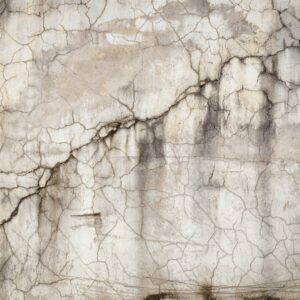
- A “spider web” pattern in certain lighting
- Flaking, pitting, or chipping in corners
- Discoloration that doesn’t clean up
- Slippery patches or pooling
These signs might seem cosmetic, but they usually mean the surface is starting to break down. And what’s happening underneath could be worse!
Why Timing Matters
Microcracks turn into full-blown cracks fast, especially in high-traffic kitchens or industrial spaces. Moisture makes it worse. So does constant cleaning with harsh chemicals. Once water or bacteria finds its way in, you’re looking at a bigger issue than a surface crack because you might not pass inspection.
JetRock Epoxy Flooring: Built for This
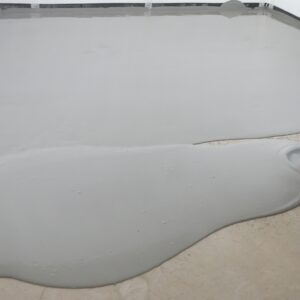
JetRock epoxy flooring bonds over worn concrete, sealing microcracks and stopping new ones from forming. It stands up to grease, moisture, and heavy foot traffic without losing grip which is required by many health codes.
Small cracks lead to big problems. Our Baltimore flooring contractors stop them where they start. Contact Feature Flooring for JetRock epoxy flooring, urethane cement, and fast installs that actually hold up.
Get a Quote