
At Feature Flooring, we understand that many homeowners are drawn to tile for its durability and aesthetic appeal. However, grout — often seen as a necessary evil — comes with its own set of disadvantages that can impact both maintenance and overall satisfaction. Delve into the drawbacks of having grout in your flooring, then contact us to explore our epoxy alternatives!
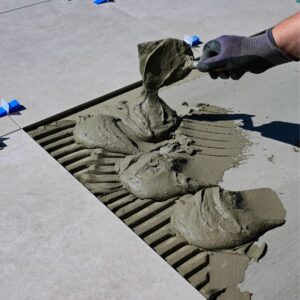
High Maintenance Requirements
One of the most significant downsides of grout is the maintenance it demands. Over time, grout can become stained, dirty, and discolored. Regular cleaning is essential, often involving scrubbing and specialized cleaners to maintain its appearance. This ongoing upkeep can be both time-consuming and tedious.
Prone to Cracking
Grout is not impervious to damage. It can crack under pressure or due to shifts in the foundation. Once cracked, it can be unsightly and may require regrouting to repair, adding to the cost and labor involved in maintaining tiled floors.
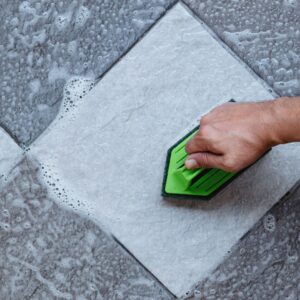
Water Absorption Issues
While tile itself is water-resistant, grout is more susceptible to absorbing moisture. If not sealed properly, it can lead to mold and mildew growth in damp areas like kitchens and bathrooms. This not only presents health concerns but can also damage the underlying structure of your flooring.

Color Limitations
Grout comes in a range of colors, but homeowners may find that their chosen grout doesn’t match or complement their tiles as well as expected. Additionally, choosing a lighter color may lead to quick discoloration, making it hard to maintain the desired aesthetic over time.
While grout is a key component of many beautiful tile floors, its disadvantages can’t be ignored. From high maintenance demands to potential moisture issues, it’s essential for homeowners to carefully consider these factors when selecting their flooring. If you’re looking for low-maintenance options, Feature Flooring offers a variety of alternatives that can provide the aesthetics you desire without the hassle of grout. Explore your flooring choices today!